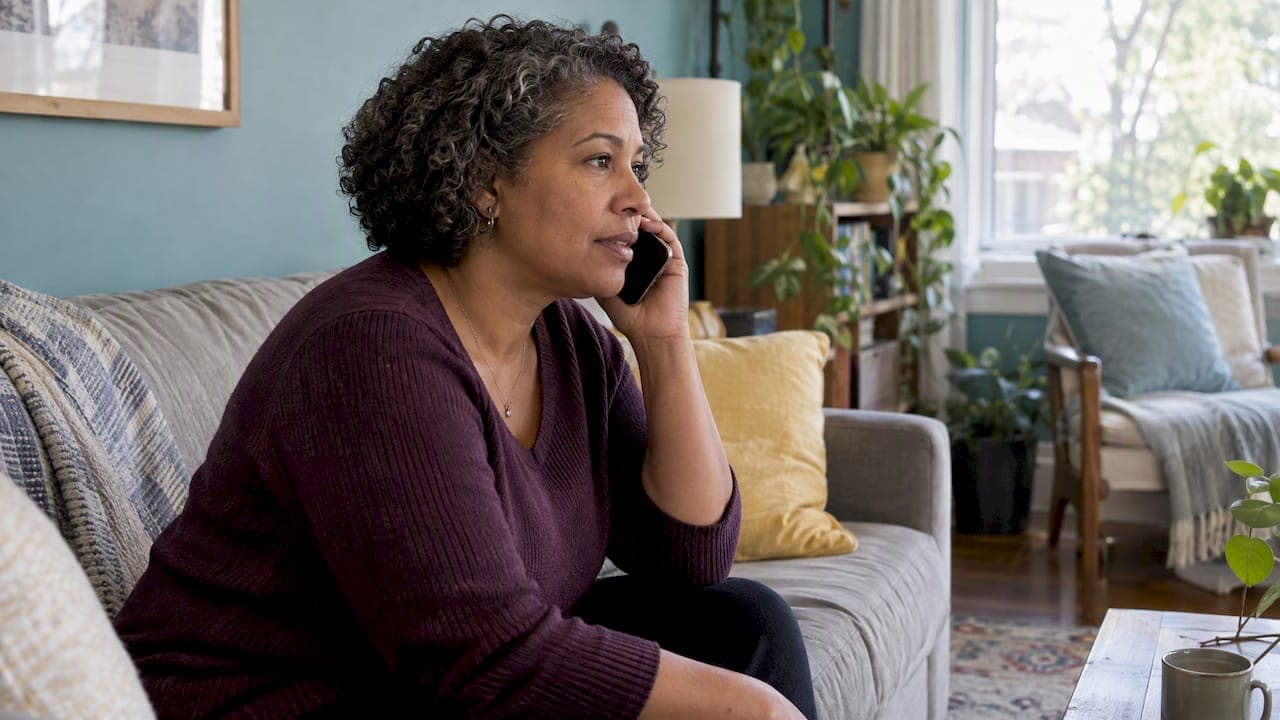
If you are searching for therapy in Ontario, the honest answer is that publicly funded care often means waiting months, and the length depends on the program, your age and where you live. In 2023/24, clients of publicly funded child and youth counselling and therapy waited an average of 120 days. Private therapy can start within days. Between those two ends there are free structured programs, helplines and practical steps that can shorten the wait or make it easier to bear.
We know that reaching out is rarely easy, and being told to come back in a few months can feel like a door closing. It is not the end of the road. This guide sets out the numbers, explains why they vary, and shows what you can do while you wait.
TL;DR
- Publicly funded counselling and therapy for children and youth in Ontario averaged 120 days in 2023/24, up from 104 days the year before, according to the Auditor General.
- Waits are longer where services, program capacity and trained workers are limited, so your region and the type of care matter.
- Adults with anxiety or depression can access free Ontario Structured Psychotherapy (OSP) options, and ConnexOntario offers free addiction referrals around the clock.
- While you wait, confirm what you are queued for, ask about cancellation lists, and use free supports. If you are in immediate danger, call 911.
- Private therapy is the fastest route for many people. Our sessions are $175 per hour, with sliding scale pricing available.
What the wait times actually are
Ontario does not publish one tidy number for "therapy wait time", because therapy sits across many programs. The clearest recent figures come from the Office of the Auditor General of Ontario, which examined community-based child and youth mental health services. It found that in 2023/24 the average wait for counselling and therapy was 120 days, and for intensive treatment 105 days.
The direction of travel matters as much as the level. The same audit reports that waits for counselling and therapy rose from 104 days in 2022/23 to 120 days, and for intensive treatment from 94 days to 105 days. In other words, the line is going the wrong way.

The averages also hide the long tail. Children's Mental Health Ontario reported in 2025 that some children and youth wait up to two and a half years for treatment. If you are a parent reading this, that figure is probably the one that worries you most, and it is worth knowing that it describes the longest waits, not the typical case.
A quick comparison
| Type of service | Figure | Period | Source |
|---|---|---|---|
| Child and youth counselling and therapy (Ontario, average) | 120 days | 2023/24 | Auditor General of Ontario |
| Child and youth intensive treatment (Ontario, average) | 105 days | 2023/24 | Auditor General of Ontario |
| Community counselling, children and youth (Canada, half waited up to) | 24 days | 2024-2025 | CIHI |
| Community counselling, adults (Canada, half waited up to) | 34 days | 2024-2025 | CIHI |
The national and Ontario figures look very different because they measure different things. The Canadian Institute for Health Information (CIHI) reports a median, meaning half of people waited that long or less, while the Auditor General reports an average, which long waits pull upward. Neither is wrong, but you should not set them side by side as if they were the same measure.
Why waits differ so much
If a friend in another town started therapy in three weeks while you were told to expect months, you are not imagining the gap. CIHI notes that waits may be longer where there are fewer services, limited program capacity and too few trained mental health and substance use workers.
The pattern is not always the one people expect. Nationally, in 2024-2025 data, half of people in urban areas waited up to 41 days for community mental health counselling, while half of those in rural areas waited up to 25 days. Bigger cities have more clinicians, but they also have more people competing for the same public spots.
Several other factors play a part:
- Navigation. CIHI has pointed to ease of system navigation, social determinants of health and inconsistent data recording as influences on wait times. Many people wait longer simply because they were referred to the wrong door.
- Fragmentation. Ontario's own Roadmap to Wellness names long waits, fragmented services and limited public understanding of what care exists and where to find it.
- The nature of the therapy. A 2016 article in the Canadian Journal of Psychiatry explains that evidence-based approaches such as CBT require substantial resources and time, which limits how widely public systems can offer them.
- Stigma. CIHI also notes that stigma affects both the decision to seek help and the willingness to follow through, which means some of the demand is still hidden.
The same pressure appears elsewhere. Families seeking developmental support face similar queues, and one practical resource on autism therapy waitlists walks caregivers through steps to take while they wait.
Free and publicly funded options in Ontario
Waiting is not the only public option, and some routes are faster than the traditional referral to a community agency.
Anxiety and depression: Ontario Structured Psychotherapy
Adults aged 18 and older can access free OSP cognitive-behavioural therapy. Ontario Health describes a stepped-care model: most people start with self-led resources and are monitored, then move to individual or group therapy if they need more support. The options include BounceBack, delivered over the phone with workbooks and bi-weekly coaching, clinician-assisted bibliotherapy with weekly 30-minute therapist sessions, and therapist-guided internet CBT.

BounceBack is also listed on Ontario's find mental health support page as a free guided CBT self-help program for adults and youth aged 15 and older. For many people with mild to moderate symptoms, starting with this step is faster than waiting for one-to-one therapy, and it does not close the door on more intensive care later.
Addiction
For substance use or gambling concerns, ConnexOntario offers free, confidential, province-wide information and referrals 24 hours a day, seven days a week at 1-866-531-2600, by web chat or email. It can identify community treatment, self-help and family services, and give information about Rapid Access Addiction Medicine clinics. The province's mental health services page lists this alongside other free, confidential help for depression, anxiety, addiction and gambling through a doctor, helpline, therapy session or community service.
Relationship and sexual concerns
Couples, family and sex therapy are the gaps. Public programs are built mainly around individual mental health conditions, and relationship work is rarely available without paying. If this is your situation, it is usually worth looking at private options from the start. Our guide to what OHIP psychotherapy coverage does and does not include explains where the line falls, and our overview of four funding routes shows how people reduce the cost of getting seen sooner.
What to do while you wait
A waitlist is not the same as silence. You can make the time count.
- Confirm what you are on the list for. Ask whether it is counselling, structured psychotherapy or assessment. Mix-ups are common, and a wrong queue can cost months.
- Ask about eligibility and next steps. Find out what happens when your name comes up and whether you need to confirm your place periodically.
- Ask about cancellation lists and alternatives. Many programs can offer an earlier slot, a group format or an interim service.
- Use interim supports. Depending on your situation, that could be ConnexOntario, Health811, 211, a family-service agency, or campus and workplace supports, as one Ontario guide to waitlists suggests.
- Tell someone if things get worse. Contact your health-care provider, the program itself or a current support if your symptoms worsen. If you are in immediate danger, call 911 or go to an emergency department.
It can also help to prepare. Writing down what you want to change, when it started and what you have already tried will make your first session more productive, whichever route you choose. Our guide on starting therapy for the first time in Ontario covers this in more detail.
When private therapy makes sense
Waiting is sometimes a reasonable trade, particularly when symptoms are manageable and free care suits your needs. Private therapy makes more sense when:
- you are in the middle of a crisis in your relationship, such as the discovery of an affair, a separation or a conflict that is escalating;
- you want a specific approach or a specific type of therapist;
- your work schedule only fits evenings or online sessions;
- you have an extended health plan that reimburses registered therapy;
- waiting would make the problem harder to treat.
Private care does cost money, and it is fair to ask what to expect. Our article on budgeting two to three months of therapy in Ontario goes through the costs, including HST and clinician advice. If you have benefits, check the details before you book, using our list of four things to check to avoid rejected claims. Receipts for therapy can also matter at tax time, as explained in our guide to receipt details that support a tax deduction.
Whichever way you go, check that your therapist is properly registered. Our guide to finding a therapist in Ontario explains how to check the register of the College of Registered Psychotherapists of Ontario (CRPO) and what to ask on a first call.
Our perspective
We work with people who have already waited, sometimes a long time, and they often arrive carrying more than the original problem. A relational wound that could have been addressed early becomes a pattern. An anxiety that was manageable becomes a daily weight. That is why we think of wait times as a clinical issue, not only an administrative one.
Our view is that public and private care are not rivals. Free structured programs such as OSP are a sensible first step for many adults with anxiety or depression, and we would never tell someone to abandon a place on a public list. But if your situation is urgent, if you are a couple facing a breaking point, or if the public pathway does not offer what you need, you should not feel guilty about seeking help sooner.
We bring more than 20 years of experience working with diverse client groups, using several therapy modalities and evidence-based approaches. We see people in person at two locations and online, and we offer sliding scale pricing, because we do not want the fee to be the reason someone goes without. Many people who come to us keep their place on a public list as a backup, and that is a reasonable plan.
If you are unsure which route fits, ask us. A first conversation costs you nothing in commitment, and we will tell you honestly if a free program is the better starting point.
— Wayne Dewhurst
Getting started with us
If you would rather not wait, we offer in-person and online sessions at $175 per hour, and a mobile session at $225 per hour. If you expect to attend regularly, a prepaid annual membership is $1,750 per year. Our psychotherapy services cover individuals dealing with anxiety, depression, addiction and more, and our couples counselling addresses conflict, infidelity, trauma, and sexual and financial issues. Ask us about sliding scale pricing when you get in touch.
FAQ
How long is the wait for therapy in Ontario?
It depends on the program. For publicly funded child and youth counselling and therapy, the average in 2023/24 was 120 days, and for intensive treatment 105 days. Adults using community counselling nationally saw half of people wait up to 34 days in 2024-2025. Private therapy can often begin within days or weeks, depending on the therapist.
Is therapy free in Ontario?
Some of it is. Adults aged 18 and older can access free OSP cognitive-behavioural therapy for anxiety and depression, and ConnexOntario provides free addiction referrals. OHIP does not generally cover private psychotherapy, so fees apply there, though extended health benefits may reimburse part of the cost.
Can I be on a public waitlist and see a private therapist?
Yes. Many people keep their name on a public list while they start private sessions, then decide later whether to switch or stop. Tell the public program if your needs change, because some can offer different formats or an earlier spot.
What should I do if my symptoms get worse while I wait?
Contact your health-care provider, the program you are waiting for or a current support right away. If you are in immediate danger, call 911 or go to your nearest emergency department. You do not need to wait for your appointment to ask for help.
Sources
- Performance Audit: Community-Based Child and Youth Mental Health, Office of the Auditor General of Ontario
- Pre-Budget Submission 2025, Children's Mental Health Ontario
- Community services are important for patients, CIHI
- Common Challenges, Shared Priorities: Measuring Access to Mental Health and Substance Use Services, CIHI
- Roadmap to Wellness, Government of Ontario
- Making Evidence-Based Psychotherapy More Accessible, Canadian Journal of Psychiatry
- Depression and Anxiety-Related Concerns, Ontario Health
- Find mental health support, Government of Ontario
- Find mental health and addiction services in your community, Government of Ontario
- Therapy Wait Lists in Ontario: What to Do
- 6 Data Driven Steps for Caregivers to Beat Autism Therapy Waitlists