
Therapy is defined as a professional, evidence-based process that helps people understand their thoughts, manage emotions, and build healthier relationships. Why people seek therapy spans a wide range of motivations, from managing anxiety and depression to navigating grief, relationship strain, and major life transitions. Approximately 75% of people who enter therapy show meaningful improvement. That number reflects not just crisis recovery, but the quiet, consistent work of people choosing to invest in themselves. For Ontarians exploring their mental health needs, understanding what drives people to therapy is often the first step toward taking action.
Why do people seek therapy?
The most common reasons people seek therapy center on emotional pain that has become too heavy to carry alone. Anxiety and depression top the list, but the full range of motivations is far broader than most people realize.

Therapy addresses conditions including anxiety, depression, obsessive-compulsive disorder, and trauma by using customized, evidence-based treatments. These treatments reduce unhelpful thought patterns and improve emotional stability over time. The key word is "customized." No two people arrive at therapy with the same story, and no two treatment paths look identical.
Common reasons clients seek therapy include:
- Anxiety and chronic stress. Persistent worry, panic attacks, or a constant sense of dread that interferes with daily life.
- Depression and low mood. Feelings of hopelessness, withdrawal from relationships, or loss of motivation that last more than a few weeks.
- Trauma and past wounds. Experiences of abuse, neglect, accidents, or loss that continue to shape present behavior and emotional responses.
- Relationship difficulties. Communication breakdowns, recurring conflict, infidelity, or a growing sense of disconnection from a partner or family member. Couples therapy addresses these patterns directly.
- Grief and major life changes. Job loss, divorce, bereavement, or moving through a significant transition without adequate support.
- Recurring negative patterns. Cycles of self-sabotage, people-pleasing, or emotional reactivity that keep showing up despite a person's best efforts to change.
Pro Tip: If you find yourself saying "I've always been this way" about a behavior that causes you pain, that is a strong signal therapy could help. Patterns feel permanent until they are examined with professional support.
Therapy does not require a diagnosis or a crisis. Many people begin because something feels "off" and they cannot quite name it. That vague discomfort is a valid reason to reach out.
How does therapy build emotional resilience?
Therapy builds emotional resilience by giving people a structured, safe space to process what they feel and learn skills they can use outside the session. The therapeutic relationship centers on trust and a nonjudgmental stance, which allows honest self-expression that most people cannot access in everyday conversations. That honesty is where real change begins.
Evidence-based approaches like Cognitive Behavioral Therapy (CBT) and Dialectical Behavior Therapy (DBT) teach people to identify distorted thinking and replace it with more accurate, balanced perspectives. Emotion regulation, a core skill in DBT, helps people pause before reacting and choose responses that align with their values. These are not abstract concepts. They are practical tools that change how a person handles a difficult conversation, a stressful workday, or a moment of grief.
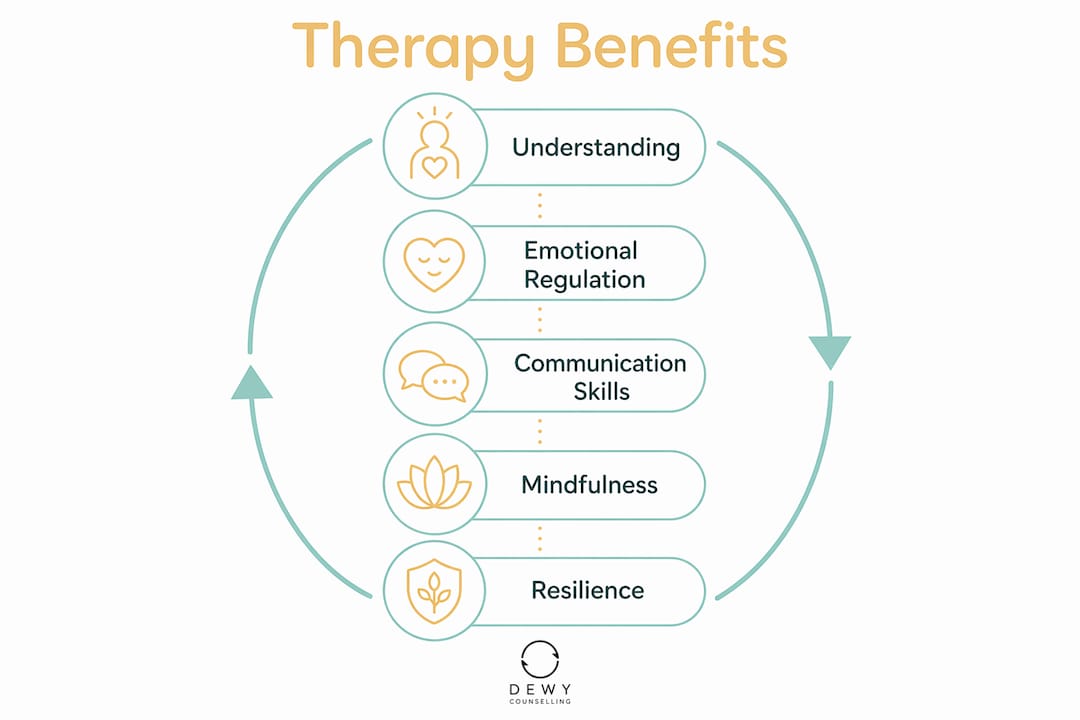
Therapy also provides skills such as mindfulness, boundary-setting, reframing negative thoughts, and improved communication. Each skill compounds over time, making daily stress and interpersonal challenges more manageable. Think of it like physical therapy for the mind: the exercises feel small at first, but the cumulative effect is significant.
| Therapy benefit | What it looks like in practice |
|---|---|
| Emotional regulation | Responding to conflict calmly instead of shutting down or escalating |
| Cognitive reframing | Replacing "I always fail" with a more accurate, evidence-based belief |
| Boundary-setting | Saying no without guilt and communicating needs clearly |
| Mindfulness skills | Staying present during stress instead of spiraling into worst-case thinking |
| Improved communication | Expressing feelings directly rather than through avoidance or anger |
Pro Tip: Treat therapy as a proactive investment, not a last resort. Building emotional resilience before a crisis hits is far easier than rebuilding after one.
What can you expect in a therapy session?
A therapy session has no single script, and that flexibility is intentional. Sessions move at the client's pace, allowing authentic self-expression rather than a checklist of topics to cover. Your therapist will follow your lead, especially in the early sessions, while gently helping you make sense of patterns and feelings.
A typical first session focuses on getting to know you. Your therapist will ask about what brought you in, your history, and what you hope to get from the process. You do not need to have clear answers. Many people arrive unsure of what they want to say, and that is completely fine.
As sessions continue, the structure may shift depending on your needs:
- Talk-based exploration. Open conversation about current challenges, past experiences, or recurring thoughts and feelings.
- Skill-building exercises. Practicing grounding techniques, breathing exercises, or cognitive restructuring directly in session.
- EMDR (Eye Movement Desensitization and Reprocessing). A specialized technique used for trauma processing that helps reduce the emotional charge of difficult memories.
- DBT skills training. Structured practice of distress tolerance, mindfulness, and interpersonal effectiveness for people who experience intense emotions.
Understanding how therapy sessions work before you begin lowers the anxiety of the unknown. You are not expected to cry, have a breakthrough, or arrive with a clear agenda. Showing up honestly is the only requirement.
Who benefits from therapy beyond crisis situations?
Therapy benefits anyone who wants to understand themselves better, not just people in acute distress. Therapy viewed as proactive support helps people build emotional resilience and communication skills before major life challenges arise. That shift in perspective, from reactive to proactive, changes who feels "allowed" to seek help.
People who benefit from therapy without being in crisis include:
- Those navigating everyday stress. Work pressure, parenting demands, and financial strain all erode mental well-being over time without a single dramatic event.
- People seeking self-awareness. Therapy helps individuals understand their attachment styles, core beliefs, and emotional triggers, which leads to better decisions and healthier relationships.
- Anyone processing grief or change. Healing through therapy focuses on processing past pain without letting it control the present or future.
- Couples wanting stronger communication. Therapy is not only for relationships in crisis. Many couples use it to deepen connection and build communication skills before problems become entrenched.
- Individuals in life transitions. Starting a new career, ending a relationship, becoming a parent, or entering retirement all bring identity shifts that therapy can help navigate.
For Ontario residents, accessibility is no longer a barrier. Telehealth options make therapy more approachable and feasible for people with demanding schedules, rural locations, or mobility limitations. You can access quality psychotherapy from your home, on your lunch break, or between school pickups.
Key Takeaways
People seek therapy to manage mental health conditions, build emotional skills, and improve relationships, and the benefits extend well beyond crisis intervention.
| Point | Details |
|---|---|
| Therapy motivations are broad | Anxiety, depression, trauma, grief, and relationship strain are all valid reasons to begin therapy. |
| Evidence-based techniques work | CBT, DBT, and EMDR provide structured tools that reduce distress and build lasting coping skills. |
| Sessions move at your pace | There is no right way to begin; therapists follow the client's lead and adjust to individual needs. |
| Therapy is proactive, not reactive | Starting therapy before a crisis builds resilience and prevents small struggles from becoming larger ones. |
| Ontario access has expanded | Telehealth options make therapy available to residents regardless of location or schedule. |
Therapy is a decision worth making sooner than you think
After working with people at different stages of their mental health, I have noticed one consistent pattern: most people wait longer than they should. They arrive having carried something heavy for months, sometimes years, telling themselves it was not serious enough to warrant help. That belief is one of the most costly mistakes I see.
Therapy is not a sign that something is broken. It is a sign that you are paying attention. The people who benefit most are often not in crisis at all. They are curious about themselves, tired of repeating the same patterns, or simply ready to feel more at ease in their own lives. That is more than enough reason.
What I find most meaningful about this work is that therapy does not ask you to become someone different. It helps you understand who you already are, and then gives you the tools to live more fully as that person. Self-compassion, clearer goals, and better relationships are not side effects of therapy. They are the point.
If you are on the fence, I would encourage you to treat that hesitation as information rather than a stop sign. The fact that you are reading this suggests something in you is ready to look more closely. That readiness matters.
— Wayne Dewhurst
Therapy in Ontario with Dewycounselling
Dewycounselling offers individual, couples, and family psychotherapy for people across Ontario who are ready to take their mental health seriously.

Whether you are managing anxiety, working through a relational wound, or simply looking to understand yourself better, Dewycounselling provides both online and in-person sessions tailored to your pace and goals. The team brings warmth, clinical expertise, and a genuine commitment to helping you thrive. Reaching out does not require a crisis or a clear plan. You only need to take one step. Visit Dewycounselling's therapy services to learn more and book your first session.
FAQ
Why do people seek therapy for the first time?
Most people seek therapy for the first time because of persistent anxiety, depression, relationship difficulties, or a life transition they cannot navigate alone. Research confirms that approximately 75% of people who enter therapy experience meaningful improvement.
What should I expect in my first therapy session?
Your first session focuses on your therapist getting to know you, your history, and what you hope to address. Sessions move at your pace, and you are not expected to have all the answers on day one.
Do I need a mental health diagnosis to start therapy?
No diagnosis is required to begin therapy. Many people start because of everyday stress, recurring patterns, or a desire for greater self-awareness, all of which are valid reasons for seeking professional support.
How does therapy help with relationships?
Therapy builds communication skills, helps identify unhealthy patterns, and teaches boundary-setting, all of which improve how people connect with partners, family members, and colleagues. Couples therapy addresses relational wounds directly and helps partners rebuild trust and understanding.
Is online therapy as effective as in-person sessions?
Telehealth therapy delivers comparable outcomes to in-person sessions for most mental health concerns. Flexible delivery options make therapy more accessible for Ontario residents with varied schedules, locations, and needs.